الاقسام
منتجات جديدة
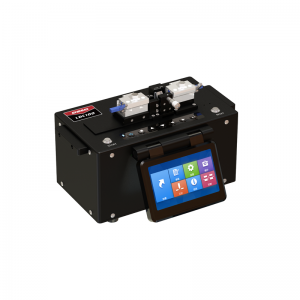
LDC-100 ساطور ألياف بصرية بقطر كبير * قابل للتطبيق على ألياف قطرها 80μm ~ 600μm *مضخة فراغية V-groove ملائمة لوضع الألياف *شفرة قابلة للتبديل ، عمرها أكثر من 20000 مرة *تخزين البيانات 4000 مجموعة * قائمة واجهة المستخدم الرسومية سهلة الاستخدام ، وسهلة التشغيل أكثر من
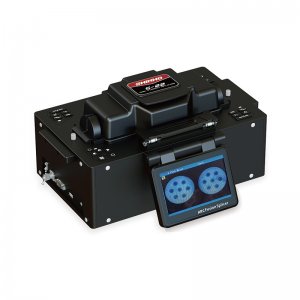
جهاز فصل الألياف متعدد النواة S-22 الجهاز الأول بالكامل من نوع M فائق النوى F iber F usion S في الصين أكثر من
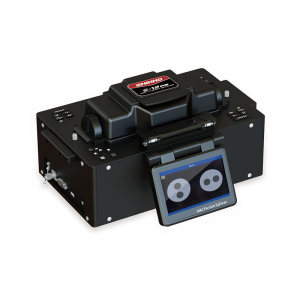
الاستقطاب الحفاظ على الألياف (بعد الظهر) فالانصهار S-12 * النواة الأساسية المحاذاة ، منخفضة الربط الخسارة * Endview الشخصي والمراقبة المحاذاة * قوس المعايرة التلقائية و الربط * مساء الألياف 45 و 90 درجة التوافق أكثر من
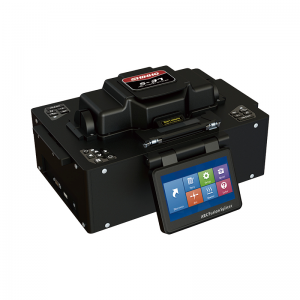
S-37 LDF Speialty Fiber Fusion Splicer SHINHO S-37 هو أحدث طراز قمنا بتطويره ، يمكنه لصق قطر الكسوة الليفية من 125 إلى 400 ميكرومتر مع فقدان لصق منخفض. جهزنا الماكينة بثلاثة حوامل ألياف مختلفة وزوجين من الأقطاب الكهربائية الاحتياطية. أكثر من
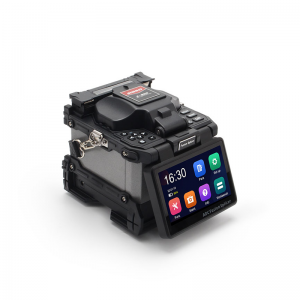
الأساسية إلى الأساسية محاذاة الألياف الانصهار جهاز الربط X900 ستة محاور الانصهار جهاز الربط ، الأساسية الحقيقية لتكنولوجيا المحاذاة الأساسية. 6S الربط ، 16S التدفئة ، وتحديد أنواع الألياف تلقائيا. تستخدم ل wan / رجل / مشاريع الاتصالات السلكية واللاسلكية. أكثر من
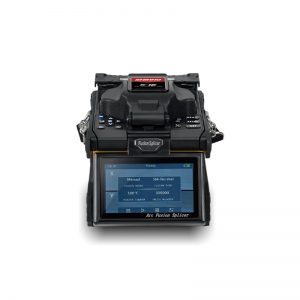
قوية متعددة الوظائف قوس الانصهار جهاز الربط s16 تصميم صناعي قوي ، ومكافحة صدمة ، مقاوم للأتربة ومقاوم للماء. حامل متعدد الوظائف للألياف العارية ، حبال التصحيح ، كابل إسقاط إلخ. الربط السريع والتسخين ، معايرة القوس التلقائية. أكثر من
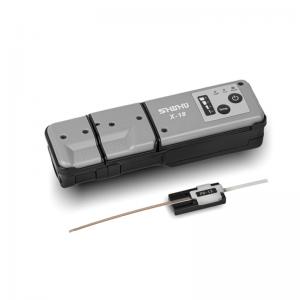
SHINHO X-18 قشارة ألياف حرارية للشريط Shinho X-18 Thermal Stripper عبارة عن متجرد حراري محمول باليد تم تطويره حديثًا ، مصمم خصيصًا للفصل الحراري غير المدمر لغطاء كابل الشريط حتى 12 ليفًا. أداة جيدة وموثوقة لأعمال الربط بالألياف الشريطية. أكثر من
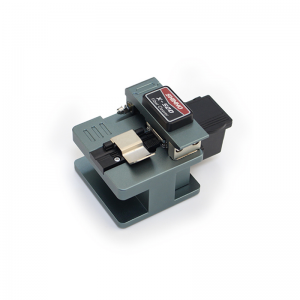
عالية الدقة الألياف البصرية كليفر X-50D حجم صغير وخفيف الوزن ، سهل التشغيل. دقة عالية وأداء مستقر. أكثر من 48000 عمر للشفرة ، f طول مشقوق iber 5 ~ 20mm. مواد ذات جودة عالية أكثر من
تطبيقات ومستقبل الألياف البصرية ذات الغلاف الصغير في المجال الطبي
في السنوات الأخيرة، ظهرت الألياف الضوئية ذات أقطار الغلاف الأصغر - مثل
40 ميكرومتر، 50 ميكرومتر، و60 ميكرومتر
حظيت هذه التقنية باهتمام متزايد في قطاع التكنولوجيا الطبية. بالمقارنة مع الألياف البصرية التقليدية ذات
غلاف بسمك 125 ميكرومتر
توفر هذه الألياف الأصغر حجماً مرونة أكبر، وتقليلاً للتدخل الجراحي، وتكاملاً أفضل في الأجهزة الطبية الصغيرة. ومع استمرار نمو الطب طفيف التوغل، أصبحت الألياف البصرية ذات القطر الصغير تقنية تمكينية مهمة.
أحد أكثر التطبيقات شيوعاً هو
تفتيت الحصى بالليزر في طب المسالك البولية
في الإجراءات المستخدمة لعلاج حصى الكلى، يُدخل الأطباء منظارًا داخليًا مرنًا عبر المسالك البولية، ويُمررون طاقة الليزر عبر ألياف بصرية دقيقة لتفتيت الحصى إلى أجزاء صغيرة. تعتمد أنواع الليزر، مثل ليزر هولميوم:ياج وليزر ألياف الثوليوم، على الألياف البصرية لتوصيل الطاقة بدقة. تسمح الألياف الأصغر للمنظار الداخلي بالحفاظ على مرونة أفضل، وتُمكّن الجراحين من الوصول إلى الحصى الموجودة في مسارات تشريحية أضيق أو أكثر تعقيدًا.
من التطبيقات المهمة الأخرى علاج أمراض الأوعية الدموية، مثل الدوالي. تستخدم تقنية طفيفة التوغل تُعرف باسم الاستئصال بالليزر داخل الوريد أليافًا بصرية تُدخل في الوريد المصاب. تعمل طاقة الليزر على تسخين جدار الوعاء الدموي، مما يؤدي إلى انغلاقه وامتصاصه في النهاية من قِبل الجسم. تساعد الألياف البصرية الرقيقة على تقليل الصدمة أثناء الإدخال، وتُمكّن الأطباء من الوصول إلى الأوعية الدموية الصغيرة بسهولة أكبر.
تُستخدم الألياف البصرية ذات القطر الصغير أيضًا في الإجراءات العصبية المتقدمة. ففي تقنيات مثل العلاج الحراري الخلالي بالليزر، يُدخل مسبار ليزري دقيق جدًا في أنسجة المخ لتدمير الأورام أو الأنسجة غير الطبيعية بدقة. ولأن بنية المخ بالغة الحساسية، يُفضّل استخدام الألياف الأصغر حجمًا لأنها تقلل من الضرر الذي يلحق بالأنسجة المحيطة مع توفير توصيل دقيق للطاقة.
في مجال الأورام، تلعب الألياف الضوئية دورًا محوريًا في العلاجات الضوئية، مثل العلاج الضوئي الديناميكي. في هذا العلاج، يتراكم دواء حساس للضوء في الخلايا السرطانية، ثم يُفعَّل بواسطة الضوء المنبعث عبر الألياف الضوئية. يؤدي التفاعل الناتج إلى تدمير الخلايا المستهدفة مع الحفاظ على الأنسجة السليمة. كما تُسهِّل الألياف الضوئية الصغيرة إيصال الضوء عبر المناظير إلى أعضاء مثل الرئتين والمريء والمثانة.
وبالنظر إلى المستقبل، من المتوقع أن ينمو الطلب على الألياف البصرية ذات الغلاف الصغير بالتوازي مع تطور
الجراحة طفيفة التوغل، وأنظمة الجراحة الروبوتية، وأدوات التنظير الداخلي المتقدمة
مع استمرار تصغير الأجهزة الطبية وزيادة دقتها، ستزداد الحاجة إلى الألياف الضوئية المرنة عالية الأداء. ورغم أن هذا السوق أصغر من سوق ألياف الاتصالات، إلا أنه يتميز بـ
متطلبات تقنية عالية وقيمة قوية لكل وحدة
مما يجعلها مكانة مهمة ضمن النظام البيئي الأوسع للألياف البصرية.
باختصار، تُتيح الألياف البصرية ذات القطر الصغير إمكانيات جديدة في الطب الحديث، بدءًا من علاج حصى الكلى وصولًا إلى علاج السرطان. ومع تطور تكنولوجيا الرعاية الصحية نحو إجراءات أقل توغلاً وأكثر دقة، ستلعب هذه الألياف المتخصصة دورًا بالغ الأهمية في الابتكارات الطبية المستقبلية.

مرحباً بك في تسجيل النشرة الإخبارية إذا كان لديك أي اهتمام بمنتجاتنا ، سنبقيك على علم بأخبارنا ، معلومات المنتجات والعروض الترويجية في حال وجودها.
© حقوق النشر: SHINHO OPTICS LIMITED كل الحقوق محفوظة.


 العربية
 English
 français
 русский
 italiano
 español
 português
 ไทย
ไทย हिन्दी
 Indonesia
 中文
中文