الاقسام
منتجات جديدة
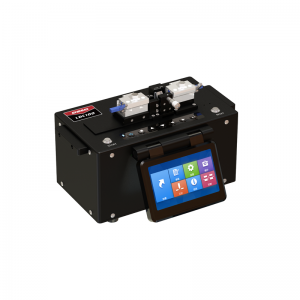
LDC-100 ساطور ألياف بصرية بقطر كبير * قابل للتطبيق على ألياف قطرها 80μm ~ 600μm *مضخة فراغية V-groove ملائمة لوضع الألياف *شفرة قابلة للتبديل ، عمرها أكثر من 20000 مرة *تخزين البيانات 4000 مجموعة * قائمة واجهة المستخدم الرسومية سهلة الاستخدام ، وسهلة التشغيل أكثر من
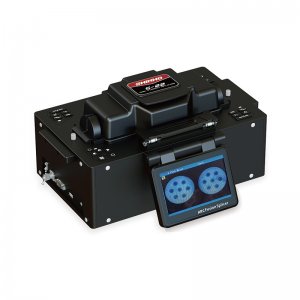
جهاز فصل الألياف متعدد النواة S-22 الجهاز الأول بالكامل من نوع M فائق النوى F iber F usion S في الصين أكثر من
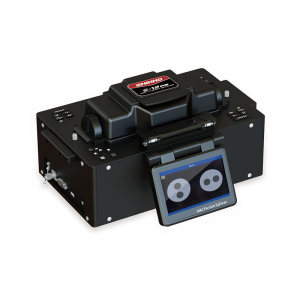
الاستقطاب الحفاظ على الألياف (بعد الظهر) فالانصهار S-12 * النواة الأساسية المحاذاة ، منخفضة الربط الخسارة * Endview الشخصي والمراقبة المحاذاة * قوس المعايرة التلقائية و الربط * مساء الألياف 45 و 90 درجة التوافق أكثر من
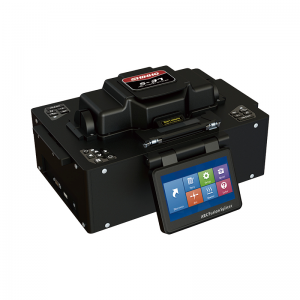
S-37 LDF Speialty Fiber Fusion Splicer SHINHO S-37 هو أحدث طراز قمنا بتطويره ، يمكنه لصق قطر الكسوة الليفية من 125 إلى 400 ميكرومتر مع فقدان لصق منخفض. جهزنا الماكينة بثلاثة حوامل ألياف مختلفة وزوجين من الأقطاب الكهربائية الاحتياطية. أكثر من
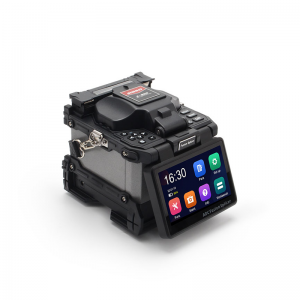
الأساسية إلى الأساسية محاذاة الألياف الانصهار جهاز الربط X900 ستة محاور الانصهار جهاز الربط ، الأساسية الحقيقية لتكنولوجيا المحاذاة الأساسية. 6S الربط ، 16S التدفئة ، وتحديد أنواع الألياف تلقائيا. تستخدم ل wan / رجل / مشاريع الاتصالات السلكية واللاسلكية. أكثر من
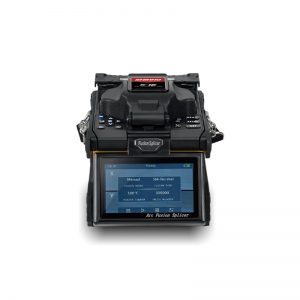
قوية متعددة الوظائف قوس الانصهار جهاز الربط s16 تصميم صناعي قوي ، ومكافحة صدمة ، مقاوم للأتربة ومقاوم للماء. حامل متعدد الوظائف للألياف العارية ، حبال التصحيح ، كابل إسقاط إلخ. الربط السريع والتسخين ، معايرة القوس التلقائية. أكثر من
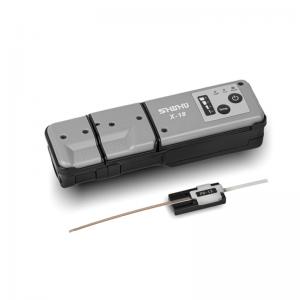
SHINHO X-18 قشارة ألياف حرارية للشريط Shinho X-18 Thermal Stripper عبارة عن متجرد حراري محمول باليد تم تطويره حديثًا ، مصمم خصيصًا للفصل الحراري غير المدمر لغطاء كابل الشريط حتى 12 ليفًا. أداة جيدة وموثوقة لأعمال الربط بالألياف الشريطية. أكثر من
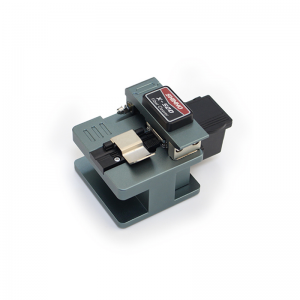
عالية الدقة الألياف البصرية كليفر X-50D حجم صغير وخفيف الوزن ، سهل التشغيل. دقة عالية وأداء مستقر. أكثر من 48000 عمر للشفرة ، f طول مشقوق iber 5 ~ 20mm. مواد ذات جودة عالية أكثر من
مراكز البيانات والألياف الضوئية في عصر الذكاء الاصطناعي: العمود الفقري للمستقبل
في عصر التطور السريع للذكاء الاصطناعي، أصبحت مراكز البيانات البنية التحتية الأساسية للاقتصاد الرقمي العالمي. فمن تدريب النماذج الضخمة إلى الاستدلال في الوقت الفعلي، يجب معالجة ونقل كميات هائلة من البيانات بسرعة عالية، مما يعتمد بشكل كبير على الشبكات عالية الأداء.
لا تقتصر مراكز البيانات على كونها مراكز حوسبة فحسب، بل هي أيضاً نقاط محورية لتجميع البيانات وتوزيعها. ومع ازدياد تطبيقات الذكاء الاصطناعي، ازداد حجم البيانات المنقولة بين الخوادم بشكل ملحوظ، مما يفرض متطلبات غير مسبوقة على عرض النطاق الترددي وزمن الاستجابة.
من بين جميع تقنيات نقل البيانات، أصبحت الألياف الضوئية الحل الأمثل. فمقارنةً بكابلات النحاس التقليدية، توفر الألياف الضوئية نطاقًا تردديًا أعلى، وزمن استجابة أقل، وكفاءة طاقة أفضل، مما يدعم نقل البيانات بسرعات عالية تتراوح من 100 جيجابت إلى 400 جيجابت وحتى 800 جيجابت. وهي تُعدّ عاملًا أساسيًا في تطوير البنية التحتية للذكاء الاصطناعي.
علاوة على ذلك، تؤثر الألياف الضوئية بشكل مباشر على كفاءة مراكز البيانات. إذ تقلل وصلات الألياف عالية الجودة من فقدان الإشارة وتحسن استقرار النظام، مما يعزز في نهاية المطاف استخدام موارد الحوسبة. وهذا يجعل الألياف الضوئية ليست مجرد وسيلة نقل، بل عاملاً حاسماً في أداء الذكاء الاصطناعي.
مع استمرار توسع مراكز البيانات، تتطور بنى الشبكات أيضاً، من التصاميم التقليدية ثلاثية الطبقات إلى نماذج أكثر كفاءة وقابلية للتوسع مثل بنية Leaf-Spine. هذا التحول يزيد من الاعتماد على وصلات الألياف الضوئية عالية السرعة، مما يجعل الألياف الضوئية أكثر أهمية من أي وقت مضى.
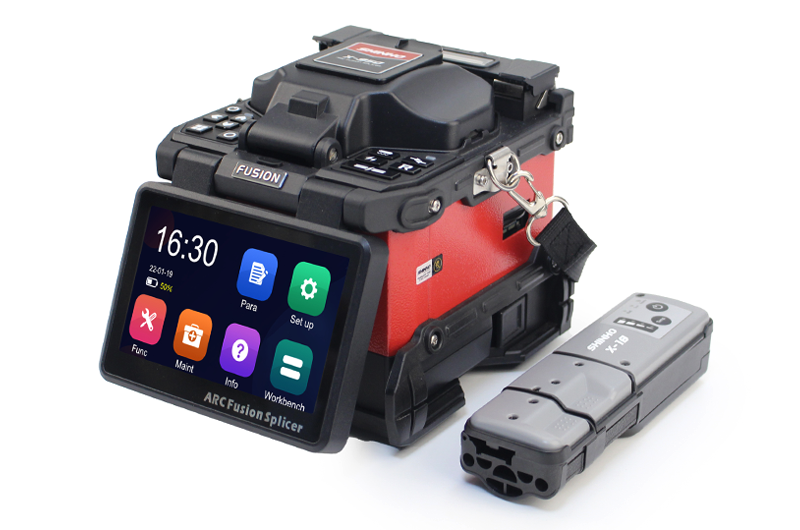
بالإضافة إلى ذلك، يُؤدي طرح وحدات الألياف الضوئية بسرعة 800 جيجابت في الثانية وما فوقها في الأسواق إلى فرض متطلبات أكثر صرامة على أداء وصلات الألياف، بما في ذلك تقليل فقد الإدخال، وتحسين استقرار الاتصال، وزيادة دقة معالجة الألياف. ويدفع هذا التوجه صناعة الاتصالات الضوئية بأكملها نحو معايير أعلى.
في عصر الذكاء الاصطناعي:
مراكز البيانات هي "العقول"، بينما تعمل الألياف الضوئية كـ "الجهاز العصبي".
يشكلون معاً الأساس الذي يدعم المستقبل الذكي.
مع استمرار تطور هذا النظام البيئي، تزداد أهمية جودة توصيل الألياف وعمليات اللحام. ويلعب اللحام الانصهاري عالي الدقة ومنخفض الفقد دورًا حيويًا في ضمان أداء واستقرار الشبكات الضوئية الحديثة.
شينهو X950
جهاز لحام الألياف الضوئية الشريطية
يدعم هذا الجهاز أليافًا شريطية ذات 2 إلى 16 نواة. وبفضل انخفاض فقد الوصلات إلى أدنى حد وأدائه المتميز، فإنه يوفر دعمًا موثوقًا للشبكات الضوئية عالية الكثافة، مما يساهم في دفع عجلة التطور المستمر لصناعة الذكاء الاصطناعي ومراكز البيانات.

مرحباً بك في تسجيل النشرة الإخبارية إذا كان لديك أي اهتمام بمنتجاتنا ، سنبقيك على علم بأخبارنا ، معلومات المنتجات والعروض الترويجية في حال وجودها.
© حقوق النشر: SHINHO OPTICS LIMITED كل الحقوق محفوظة.


 العربية
 English
 français
 русский
 italiano
 español
 português
 ไทย
ไทย हिन्दी
 Indonesia
 中文
中文