الاقسام
منتجات جديدة
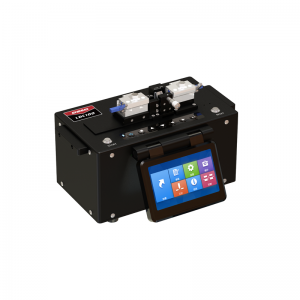
LDC-100 ساطور ألياف بصرية بقطر كبير * قابل للتطبيق على ألياف قطرها 80μm ~ 600μm *مضخة فراغية V-groove ملائمة لوضع الألياف *شفرة قابلة للتبديل ، عمرها أكثر من 20000 مرة *تخزين البيانات 4000 مجموعة * قائمة واجهة المستخدم الرسومية سهلة الاستخدام ، وسهلة التشغيل أكثر من
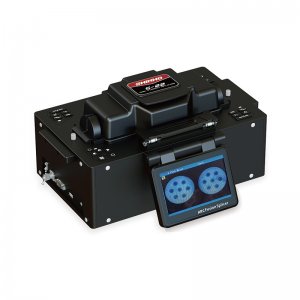
جهاز فصل الألياف متعدد النواة S-22 الجهاز الأول بالكامل من نوع M فائق النوى F iber F usion S في الصين أكثر من
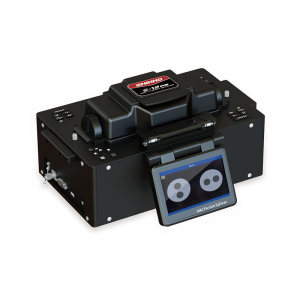
الاستقطاب الحفاظ على الألياف (بعد الظهر) فالانصهار S-12 * النواة الأساسية المحاذاة ، منخفضة الربط الخسارة * Endview الشخصي والمراقبة المحاذاة * قوس المعايرة التلقائية و الربط * مساء الألياف 45 و 90 درجة التوافق أكثر من
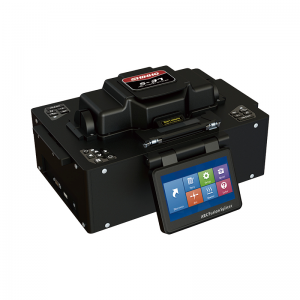
S-37 LDF Speialty Fiber Fusion Splicer SHINHO S-37 هو أحدث طراز قمنا بتطويره ، يمكنه لصق قطر الكسوة الليفية من 125 إلى 400 ميكرومتر مع فقدان لصق منخفض. جهزنا الماكينة بثلاثة حوامل ألياف مختلفة وزوجين من الأقطاب الكهربائية الاحتياطية. أكثر من
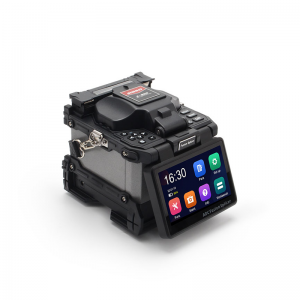
الأساسية إلى الأساسية محاذاة الألياف الانصهار جهاز الربط X900 ستة محاور الانصهار جهاز الربط ، الأساسية الحقيقية لتكنولوجيا المحاذاة الأساسية. 6S الربط ، 16S التدفئة ، وتحديد أنواع الألياف تلقائيا. تستخدم ل wan / رجل / مشاريع الاتصالات السلكية واللاسلكية. أكثر من
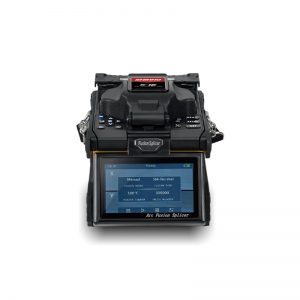
قوية متعددة الوظائف قوس الانصهار جهاز الربط s16 تصميم صناعي قوي ، ومكافحة صدمة ، مقاوم للأتربة ومقاوم للماء. حامل متعدد الوظائف للألياف العارية ، حبال التصحيح ، كابل إسقاط إلخ. الربط السريع والتسخين ، معايرة القوس التلقائية. أكثر من
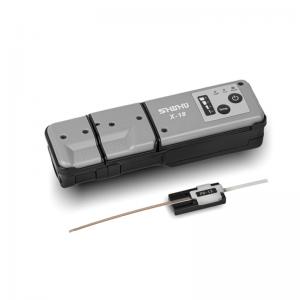
SHINHO X-18 قشارة ألياف حرارية للشريط Shinho X-18 Thermal Stripper عبارة عن متجرد حراري محمول باليد تم تطويره حديثًا ، مصمم خصيصًا للفصل الحراري غير المدمر لغطاء كابل الشريط حتى 12 ليفًا. أداة جيدة وموثوقة لأعمال الربط بالألياف الشريطية. أكثر من
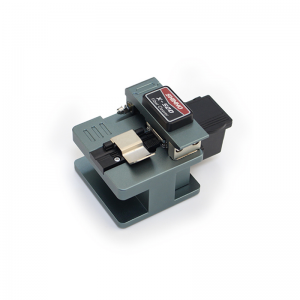
عالية الدقة الألياف البصرية كليفر X-50D حجم صغير وخفيف الوزن ، سهل التشغيل. دقة عالية وأداء مستقر. أكثر من 48000 عمر للشفرة ، f طول مشقوق iber 5 ~ 20mm. مواد ذات جودة عالية أكثر من
الألياف الضوئية في التطبيقات الطبية الحديثة
توصيل الليزر الدقيق
في أنظمة الليزر الطبية، تُستخدم ألياف بصرية متخصصة لنقل الطاقة عالية القدرة بأمان وكفاءة. ويتراوح قطر لب الألياف الطبية النموذجية من 200 ميكرومتر إلى 600 ميكرومتر، وذلك حسب التطبيق.
على سبيل المثال:
• يتم اختيار الألياف ذات النواة 600 ميكرومتر لعلاجات الليزر الوعائية أو الوريدية ذات الطاقة العالية.
معظم هذه الألياف هي ألياف سيليكا عالية المحتوى من الهيدروكسيل، مُحسَّنة لأطوال موجات الليزر الطبية مثل 980 نانومتر، و1064 نانومتر، أو 1470 نانومتر. في بعض أنظمة ليزر ثاني أكسيد الكربون (10.6 ميكرومتر)، تُستخدم ألياف ذات لب مجوف لتوجيه طاقة الأشعة تحت الحمراء المتوسطة بكفاءة مع تقليل التلف الحراري إلى أدنى حد.
التنظير الداخلي والإضاءة
يتطلب الاتجاه نحو المناظير الداخلية الأصغر حجماً أداءً أفضل لنصف قطر الانحناء وقوة ميكانيكية محسنة، خاصة بالنسبة للمجسات الطبية التي تستخدم لمرة واحدة.
التصوير المقطعي التوافقي البصري (OCT)
في أنظمة التصوير المقطعي البصري، تُستخدم ألياف أحادية النمط (عادةً ما تكون ذات بنية 9/125 ميكرومتر) للحفاظ على نقل الضوء المتماسك وتحقيق دقة على مستوى الميكرون. يُعدّ انخفاض فقد الإدخال وجودة التوصيل المستقرة أمرين بالغَي الأهمية للحصول على وضوح الصورة.
أهمية معالجة الألياف عالية الجودة
لا تُحدد الألياف الطبية بحجمها فحسب، بل بدقة تصنيعها أيضاً. فسواءً كانت أليافاً لنقل الليزر بقطر 200 ميكرومتر أو أليافاً تصويرية أحادية النمط بقطر 9 ميكرومتر، فإن هندسة السطح النهائي وزاوية القطع وفقدان الوصلة تؤثر بشكل مباشر على الأداء السريري.
في كثير من الحالات، يجب ضبط فقد الوصلات المقبول بحيث لا يتجاوز 0.05-0.1 ديسيبل، ويجب أن تكون أطراف الألياف خالية من الشقوق الدقيقة أو التلوث. ومع تطور الأجهزة الطبية نحو كثافة طاقة أعلى وتصميمات مجسات أصغر، تستمر معايير معالجة الألياف وإعدادها في الارتفاع.
مرحباً بك في تسجيل النشرة الإخبارية إذا كان لديك أي اهتمام بمنتجاتنا ، سنبقيك على علم بأخبارنا ، معلومات المنتجات والعروض الترويجية في حال وجودها.
© حقوق النشر: SHINHO OPTICS LIMITED كل الحقوق محفوظة.


 العربية
 English
 français
 русский
 italiano
 español
 português
 ไทย
ไทย हिन्दी
 Indonesia
 中文
中文