الاقسام
منتجات جديدة
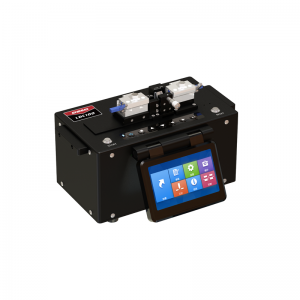
LDC-100 ساطور ألياف بصرية بقطر كبير * قابل للتطبيق على ألياف قطرها 80μm ~ 600μm *مضخة فراغية V-groove ملائمة لوضع الألياف *شفرة قابلة للتبديل ، عمرها أكثر من 20000 مرة *تخزين البيانات 4000 مجموعة * قائمة واجهة المستخدم الرسومية سهلة الاستخدام ، وسهلة التشغيل أكثر من
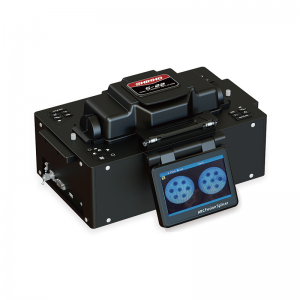
جهاز فصل الألياف متعدد النواة S-22 الجهاز الأول بالكامل من نوع M فائق النوى F iber F usion S في الصين أكثر من
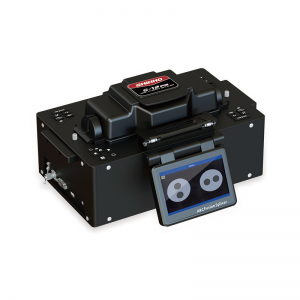
الاستقطاب الحفاظ على الألياف (بعد الظهر) فالانصهار S-12 * النواة الأساسية المحاذاة ، منخفضة الربط الخسارة * Endview الشخصي والمراقبة المحاذاة * قوس المعايرة التلقائية و الربط * مساء الألياف 45 و 90 درجة التوافق أكثر من
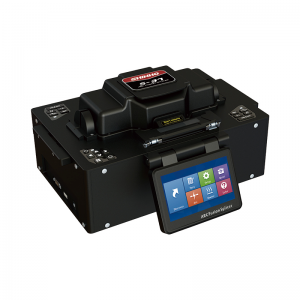
S-37 LDF Speialty Fiber Fusion Splicer SHINHO S-37 هو أحدث طراز قمنا بتطويره ، يمكنه لصق قطر الكسوة الليفية من 125 إلى 400 ميكرومتر مع فقدان لصق منخفض. جهزنا الماكينة بثلاثة حوامل ألياف مختلفة وزوجين من الأقطاب الكهربائية الاحتياطية. أكثر من
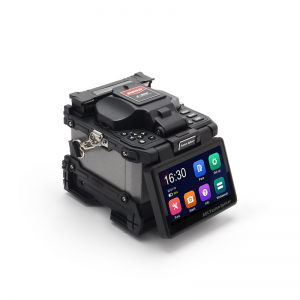
الأساسية إلى الأساسية محاذاة الألياف الانصهار جهاز الربط X900 ستة محاور الانصهار جهاز الربط ، الأساسية الحقيقية لتكنولوجيا المحاذاة الأساسية. 6S الربط ، 16S التدفئة ، وتحديد أنواع الألياف تلقائيا. تستخدم ل wan / رجل / مشاريع الاتصالات السلكية واللاسلكية. أكثر من
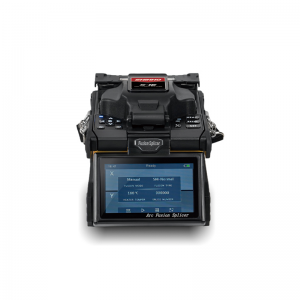
قوية متعددة الوظائف قوس الانصهار جهاز الربط s16 تصميم صناعي قوي ، ومكافحة صدمة ، مقاوم للأتربة ومقاوم للماء. حامل متعدد الوظائف للألياف العارية ، حبال التصحيح ، كابل إسقاط إلخ. الربط السريع والتسخين ، معايرة القوس التلقائية. أكثر من
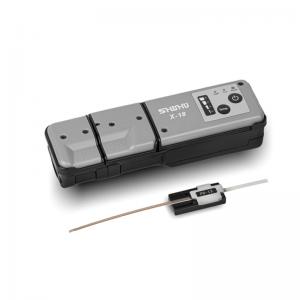
SHINHO X-18 قشارة ألياف حرارية للشريط Shinho X-18 Thermal Stripper عبارة عن متجرد حراري محمول باليد تم تطويره حديثًا ، مصمم خصيصًا للفصل الحراري غير المدمر لغطاء كابل الشريط حتى 12 ليفًا. أداة جيدة وموثوقة لأعمال الربط بالألياف الشريطية. أكثر من
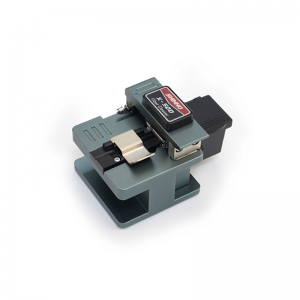
عالية الدقة الألياف البصرية كليفر X-50D حجم صغير وخفيف الوزن ، سهل التشغيل. دقة عالية وأداء مستقر. أكثر من 48000 عمر للشفرة ، f طول مشقوق iber 5 ~ 20mm. مواد ذات جودة عالية أكثر من
From 400G to 1.6T: The Growing Importance of Fiber Optics in AI Data Centers
The rapid development of artificial intelligence (AI) is transforming the data center industry. As AI models become more complex, data centers require greater computing power and faster communication between servers, switches, and storage systems.
Optical fiber has become essential to this infrastructure. The evolution from 400G to 800G and 1.6T connectivity reflects the growing demand for higher bandwidth, lower latency, and improved energy efficiency.
Compared with traditional copper cables, optical fiber offers higher bandwidth, lower signal attenuation, and better resistance to electromagnetic interference. It also supports high-density connections within limited physical space.
These advantages make optical fiber particularly suitable for AI data centers, where thousands of GPUs and computing resources need to exchange massive amounts of data efficiently.
As AI computing clusters expand, data center networks are moving toward higher transmission speeds.
· 400G: An important solution for high-speed connections between servers and switches, providing greater network capacity.
· 800G: Supports larger AI clusters and increasingly demanding workloads, while placing greater emphasis on power consumption and thermal management.
· 1.6T: An emerging next-generation connectivity technology designed to meet the growing bandwidth requirements of future AI infrastructure.
This evolution involves not only faster transmission speeds but also improvements in optical transceivers, components, and network architecture.
Several technologies are driving the development of optical connectivity:
· Silicon Photonics: Integrates optical functions onto silicon platforms to improve integration and scalability.
· Co-Packaged Optics (CPO): Brings optical components closer to switching chips, potentially reducing power consumption.
· High-Density Fiber Connectivity: MPO/MTP connectors and multi-fiber cables support the increasing number of optical connections.
Reliable optical networks depend not only on advanced transceivers but also on the quality of fiber preparation, cutting, splicing, and testing.
As data center infrastructure becomes more sophisticated, precision fiber processing equipment plays an important role in optical cable manufacturing, network deployment, and optical component production.
The transition from 400G to 800G and 1.6T reflects the growing importance of optical communication in the AI era.
As computing demands continue to increase, optical fiber will remain a fundamental part of data center infrastructure. Advances in silicon photonics, CPO, and high-density connectivity will further shape the future of faster and more efficient optical networks.

مرحباً بك في تسجيل النشرة الإخبارية إذا كان لديك أي اهتمام بمنتجاتنا ، سنبقيك على علم بأخبارنا ، معلومات المنتجات والعروض الترويجية في حال وجودها.
© حقوق النشر: SHINHO OPTICS LIMITED كل الحقوق محفوظة.


 العربية
 English
 français
 русский
 italiano
 español
 português
 ไทย
 हिन्दी
 Indonesia
 中文