الاقسام
منتجات جديدة
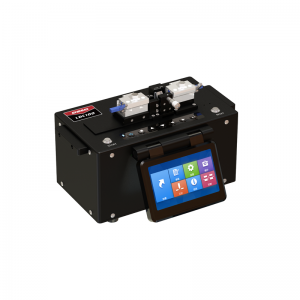
LDC-100 ساطور ألياف بصرية بقطر كبير * قابل للتطبيق على ألياف قطرها 80μm ~ 600μm *مضخة فراغية V-groove ملائمة لوضع الألياف *شفرة قابلة للتبديل ، عمرها أكثر من 20000 مرة *تخزين البيانات 4000 مجموعة * قائمة واجهة المستخدم الرسومية سهلة الاستخدام ، وسهلة التشغيل أكثر من
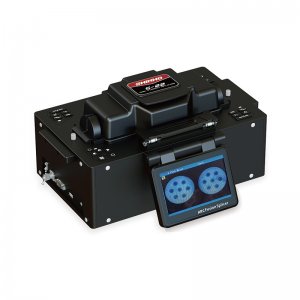
جهاز فصل الألياف متعدد النواة S-22 الجهاز الأول بالكامل من نوع M فائق النوى F iber F usion S في الصين أكثر من
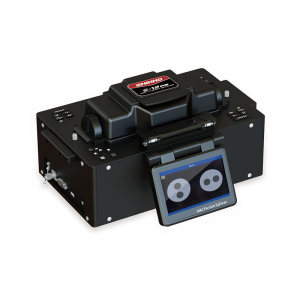
الاستقطاب الحفاظ على الألياف (بعد الظهر) فالانصهار S-12 * النواة الأساسية المحاذاة ، منخفضة الربط الخسارة * Endview الشخصي والمراقبة المحاذاة * قوس المعايرة التلقائية و الربط * مساء الألياف 45 و 90 درجة التوافق أكثر من
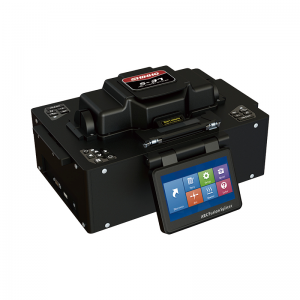
S-37 LDF Speialty Fiber Fusion Splicer SHINHO S-37 هو أحدث طراز قمنا بتطويره ، يمكنه لصق قطر الكسوة الليفية من 125 إلى 400 ميكرومتر مع فقدان لصق منخفض. جهزنا الماكينة بثلاثة حوامل ألياف مختلفة وزوجين من الأقطاب الكهربائية الاحتياطية. أكثر من
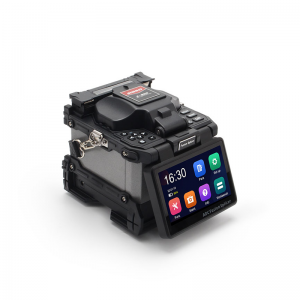
الأساسية إلى الأساسية محاذاة الألياف الانصهار جهاز الربط X900 ستة محاور الانصهار جهاز الربط ، الأساسية الحقيقية لتكنولوجيا المحاذاة الأساسية. 6S الربط ، 16S التدفئة ، وتحديد أنواع الألياف تلقائيا. تستخدم ل wan / رجل / مشاريع الاتصالات السلكية واللاسلكية. أكثر من
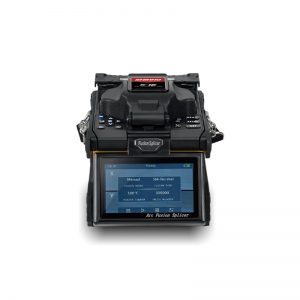
قوية متعددة الوظائف قوس الانصهار جهاز الربط s16 تصميم صناعي قوي ، ومكافحة صدمة ، مقاوم للأتربة ومقاوم للماء. حامل متعدد الوظائف للألياف العارية ، حبال التصحيح ، كابل إسقاط إلخ. الربط السريع والتسخين ، معايرة القوس التلقائية. أكثر من
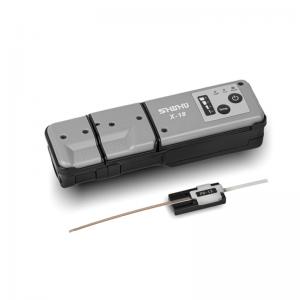
SHINHO X-18 قشارة ألياف حرارية للشريط Shinho X-18 Thermal Stripper عبارة عن متجرد حراري محمول باليد تم تطويره حديثًا ، مصمم خصيصًا للفصل الحراري غير المدمر لغطاء كابل الشريط حتى 12 ليفًا. أداة جيدة وموثوقة لأعمال الربط بالألياف الشريطية. أكثر من
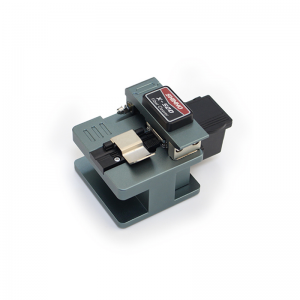
عالية الدقة الألياف البصرية كليفر X-50D حجم صغير وخفيف الوزن ، سهل التشغيل. دقة عالية وأداء مستقر. أكثر من 48000 عمر للشفرة ، f طول مشقوق iber 5 ~ 20mm. مواد ذات جودة عالية أكثر من
الألياف ذات النواة المجوفة في وصلات الاتصالات عالية الأداء
تتميز روابط الاتصالات عالية الأداء بمتطلبات أداء فائقة، تشمل زمن استجابة منخفض للغاية، وسعة عالية للغاية، واستقرار استثنائي. ومن الأمثلة الشائعة على ذلك شبكات التداول المالي، والبنية التحتية الأساسية للاتصالات بعيدة المدى، ووصلات مراكز البيانات فائقة التوسع، واتصالات مجموعات الذكاء الاصطناعي الناشئة.
لعقود طويلة، دعمت الألياف التقليدية، مثل ألياف G.652 أحادية النمط وألياف G.654، نظام الاتصالات العالمي. ورغم أن التحسينات المستمرة في تقنيات التوهين والتشتت والتضخيم (مثل أنظمة DWDM) قد زادت بشكل ملحوظ من سعة الإرسال، إلا أن هذه الألياف لا تزال مقيدة بشكل أساسي بالخصائص الفيزيائية للسيليكا. وعلى وجه الخصوص، يفرض زمن الاستجابة والتأثيرات غير الخطية قيودًا صارمة على تحسين الأداء.
تُقدّم الألياف ذات النواة المجوفة آلية توجيه مختلفة جذرياً، وذلك بحصر الضوء داخل نواة تشبه النواة المجوفة، بدلاً من الزجاج الصلب. ويُحقق هذا التحوّل العديد من المزايا الهامة:
انخفاض زمن الاستجابة بنسبة 30% تقريبًا بفضل سرعة انتشار الضوء القريبة من سرعة الفراغ
· تقليل التأثيرات غير الخطية بشكل كبير، مما يتيح قوة إطلاق أعلى
• إمكانية أكبر لتوسيع نطاق السعة من خلال تقنية الإرسال المتعدد المتقدمة
تجعل هذه الخصائص تقنية HCF جذابة بشكل خاص للتطبيقات التي تتطلب زمن استجابة منخفض للغاية، مثل التداول عالي التردد والوصلات الحساسة لزمن الاستجابة بين مراكز البيانات الرئيسية. في مثل هذه البيئات، يمكن حتى لأجزاء من الثانية من التحسين أن تُترجم إلى مكاسب اقتصادية أو حسابية ملموسة.
إلى جانب حالات الاستخدام التي تعتمد على تقليل زمن الاستجابة، تُظهر تقنية الألياف الضوئية عالية السعة (HCF) إمكانات هائلة في شبكات العمود الفقري عالية السعة. فمن خلال الحد من التشوهات غير الخطية، تُتيح هذه التقنية استخدامًا أكثر كفاءة للطيف الضوئي وزيادة الإنتاجية الإجمالية لكل ليف ضوئي. في الوقت نفسه، يتزايد اهتمام مزودي خدمات الحوسبة السحابية واسعة النطاق، مثل أمازون وجوجل، باستكشاف تقنيات الربط البصري منخفضة زمن الاستجابة لتحسين أداء الحوسبة الموزعة وتدريب الذكاء الاصطناعي.
مع ذلك، ورغم مزاياها، لا يُتوقع أن تحلّ تقنية الألياف عالية التماسك (HCF) محلّ الألياف التقليدية في جميع طبقات الشبكة. فالتحديات، مثل ارتفاع التكلفة، وتعقيد التصنيع، والمتطلبات الأكثر صرامة للوصل والتعامل، لا تزال تشكل عوائق كبيرة. وفي التطبيقات التي تراعي التكلفة - لا سيما شبكات الوصول القائمة على معيار G.652 والألياف غير الحساسة للانحناء - ستستمر الحلول التقليدية في الهيمنة.
بدلاً من ذلك، من المرجح أن يصبح تصميم الشبكة في المستقبل أكثر تدرجاً:
· ألياف ذات قلب مجوف للوصلات عالية القيمة والحساسة للأداء
· ألياف ذات لب صلب متطور (مثل G.654) لنقل البيانات لمسافات طويلة عبر الشبكة الرئيسية
• ألياف أحادية الوضع قياسية لشبكات الوصول وشبكات المترو
في الختام، لا ينبغي النظر إلى الألياف ذات النواة المجوفة على أنها بديل شامل، بل على أنها ترقية استراتيجية لأكثر قطاعات الاتصالات البصرية تطلبًا.
مرحباً بك في تسجيل النشرة الإخبارية إذا كان لديك أي اهتمام بمنتجاتنا ، سنبقيك على علم بأخبارنا ، معلومات المنتجات والعروض الترويجية في حال وجودها.
© حقوق النشر: SHINHO OPTICS LIMITED كل الحقوق محفوظة.


 العربية
 English
 français
 русский
 italiano
 español
 português
 ไทย
ไทย हिन्दी
 Indonesia
 中文
中文