الاقسام
منتجات جديدة
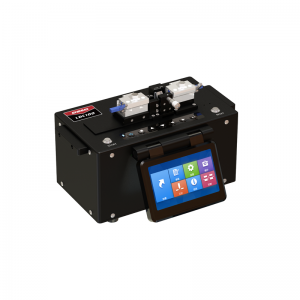
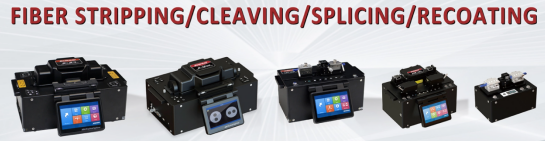
LDC-100 ساطور ألياف بصرية بقطر كبير * قابل للتطبيق على ألياف قطرها 80μm ~ 600μm *مضخة فراغية V-groove ملائمة لوضع الألياف *شفرة قابلة للتبديل ، عمرها أكثر من 20000 مرة *تخزين البيانات 4000 مجموعة * قائمة واجهة المستخدم الرسومية سهلة الاستخدام ، وسهلة التشغيل أكثر من
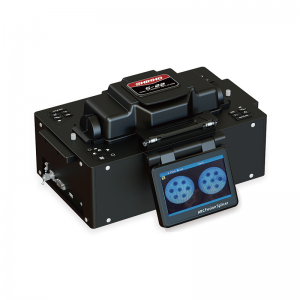
جهاز فصل الألياف متعدد النواة S-22 الجهاز الأول بالكامل من نوع M فائق النوى F iber F usion S في الصين أكثر من
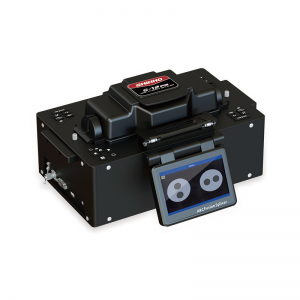
الاستقطاب الحفاظ على الألياف (بعد الظهر) فالانصهار S-12 * النواة الأساسية المحاذاة ، منخفضة الربط الخسارة * Endview الشخصي والمراقبة المحاذاة * قوس المعايرة التلقائية و الربط * مساء الألياف 45 و 90 درجة التوافق أكثر من
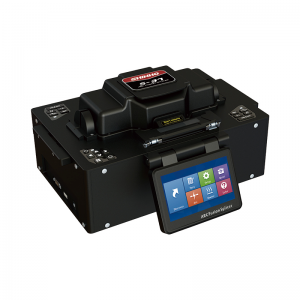
S-37 LDF Speialty Fiber Fusion Splicer SHINHO S-37 هو أحدث طراز قمنا بتطويره ، يمكنه لصق قطر الكسوة الليفية من 125 إلى 400 ميكرومتر مع فقدان لصق منخفض. جهزنا الماكينة بثلاثة حوامل ألياف مختلفة وزوجين من الأقطاب الكهربائية الاحتياطية. أكثر من
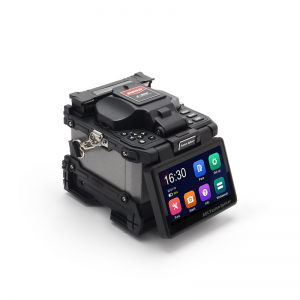
الأساسية إلى الأساسية محاذاة الألياف الانصهار جهاز الربط X900 ستة محاور الانصهار جهاز الربط ، الأساسية الحقيقية لتكنولوجيا المحاذاة الأساسية. 6S الربط ، 16S التدفئة ، وتحديد أنواع الألياف تلقائيا. تستخدم ل wan / رجل / مشاريع الاتصالات السلكية واللاسلكية. أكثر من
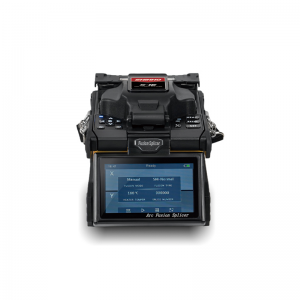
قوية متعددة الوظائف قوس الانصهار جهاز الربط s16 تصميم صناعي قوي ، ومكافحة صدمة ، مقاوم للأتربة ومقاوم للماء. حامل متعدد الوظائف للألياف العارية ، حبال التصحيح ، كابل إسقاط إلخ. الربط السريع والتسخين ، معايرة القوس التلقائية. أكثر من
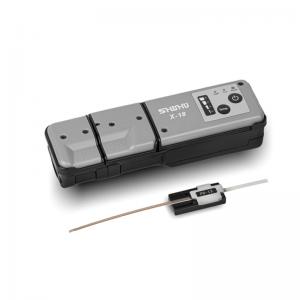
SHINHO X-18 قشارة ألياف حرارية للشريط Shinho X-18 Thermal Stripper عبارة عن متجرد حراري محمول باليد تم تطويره حديثًا ، مصمم خصيصًا للفصل الحراري غير المدمر لغطاء كابل الشريط حتى 12 ليفًا. أداة جيدة وموثوقة لأعمال الربط بالألياف الشريطية. أكثر من
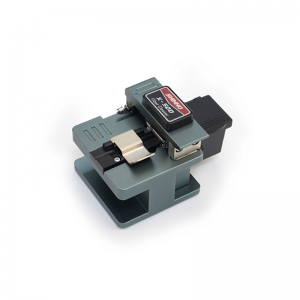
عالية الدقة الألياف البصرية كليفر X-50D حجم صغير وخفيف الوزن ، سهل التشغيل. دقة عالية وأداء مستقر. أكثر من 48000 عمر للشفرة ، f طول مشقوق iber 5 ~ 20mm. مواد ذات جودة عالية أكثر من
Multi-Core Fiber and the Future of High-Capacity Connectivity
The rapid development of artificial intelligence is transforming the optical communication industry. As AI models become larger and computing clusters expand, data centers require higher bandwidth, lower latency, and more efficient data transmission. Optical connectivity is therefore becoming increasingly important, not only for telecommunications networks but also for connections within and between AI data centers.
Traditional optical fibers generally transmit signals through a single core. Multi-core fiber integrates multiple independent cores within one fiber, offering a potential way to significantly increase transmission capacity without proportionally increasing cable size.
The release of a new international standard for weakly coupled single-mode multi-core fiber in October 2026 represents an important step toward wider industrial adoption. Standardization can help improve compatibility, establish common technical requirements, and facilitate cooperation across the industry. However, large-scale deployment will still depend on engineering validation, cost efficiency, and practical application requirements.
As computing power becomes more distributed, optical networks must support increasingly complex connections between servers, computing clusters, and data centers. This is accelerating interest in high-density optical cabling, advanced fiber technologies, and more efficient network architectures.
Alongside multi-core fiber, technologies such as hollow-core fiber and optical-electrical integration are attracting attention as the industry explores new ways to improve transmission performance and network efficiency.
The industry is moving beyond technological breakthroughs toward practical deployment. Common standards, reliable manufacturing processes, compatible equipment, and effective testing methods will all be important to bringing emerging fiber technologies into commercial use.
As AI infrastructure continues to develop, the optical communication industry is likely to see growing demand for higher-capacity connectivity, advanced optical components, and specialized fiber-processing technologies.
The optical communication industry is entering a new phase of development, driven increasingly by AI computing and data center infrastructure. Multi-core fiber illustrates how the industry is exploring new approaches to expanding transmission capacity, while standardization is helping lay the groundwork for future commercialization. As these trends evolve, technological innovation, system compatibility, and deployment efficiency will remain central to the industry's long-term growth.

مرحباً بك في تسجيل النشرة الإخبارية إذا كان لديك أي اهتمام بمنتجاتنا ، سنبقيك على علم بأخبارنا ، معلومات المنتجات والعروض الترويجية في حال وجودها.
© حقوق النشر: SHINHO OPTICS LIMITED كل الحقوق محفوظة.


 العربية
 English
 français
 русский
 italiano
 español
 português
 ไทย
 हिन्दी
 Indonesia
 中文