الاقسام
منتجات جديدة
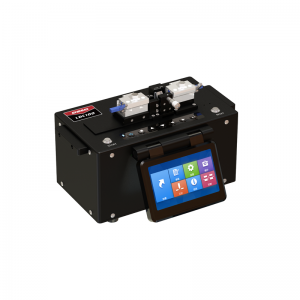
LDC-100 ساطور ألياف بصرية بقطر كبير * قابل للتطبيق على ألياف قطرها 80μm ~ 600μm *مضخة فراغية V-groove ملائمة لوضع الألياف *شفرة قابلة للتبديل ، عمرها أكثر من 20000 مرة *تخزين البيانات 4000 مجموعة * قائمة واجهة المستخدم الرسومية سهلة الاستخدام ، وسهلة التشغيل أكثر من
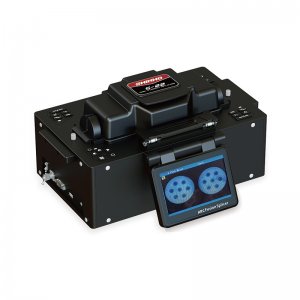
جهاز فصل الألياف متعدد النواة S-22 الجهاز الأول بالكامل من نوع M فائق النوى F iber F usion S في الصين أكثر من
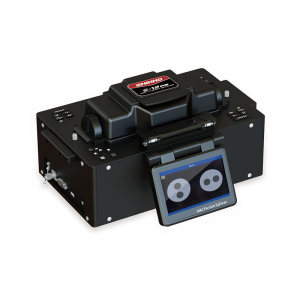
الاستقطاب الحفاظ على الألياف (بعد الظهر) فالانصهار S-12 * النواة الأساسية المحاذاة ، منخفضة الربط الخسارة * Endview الشخصي والمراقبة المحاذاة * قوس المعايرة التلقائية و الربط * مساء الألياف 45 و 90 درجة التوافق أكثر من
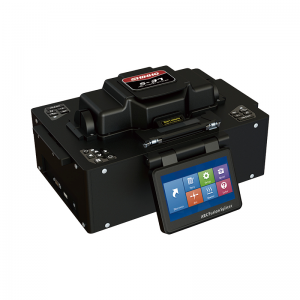
S-37 LDF Speialty Fiber Fusion Splicer SHINHO S-37 هو أحدث طراز قمنا بتطويره ، يمكنه لصق قطر الكسوة الليفية من 125 إلى 400 ميكرومتر مع فقدان لصق منخفض. جهزنا الماكينة بثلاثة حوامل ألياف مختلفة وزوجين من الأقطاب الكهربائية الاحتياطية. أكثر من
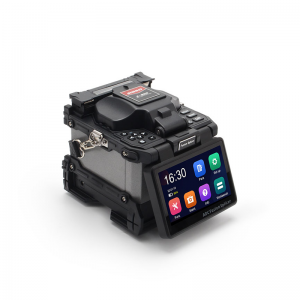
الأساسية إلى الأساسية محاذاة الألياف الانصهار جهاز الربط X900 ستة محاور الانصهار جهاز الربط ، الأساسية الحقيقية لتكنولوجيا المحاذاة الأساسية. 6S الربط ، 16S التدفئة ، وتحديد أنواع الألياف تلقائيا. تستخدم ل wan / رجل / مشاريع الاتصالات السلكية واللاسلكية. أكثر من
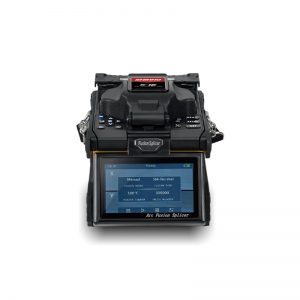
قوية متعددة الوظائف قوس الانصهار جهاز الربط s16 تصميم صناعي قوي ، ومكافحة صدمة ، مقاوم للأتربة ومقاوم للماء. حامل متعدد الوظائف للألياف العارية ، حبال التصحيح ، كابل إسقاط إلخ. الربط السريع والتسخين ، معايرة القوس التلقائية. أكثر من
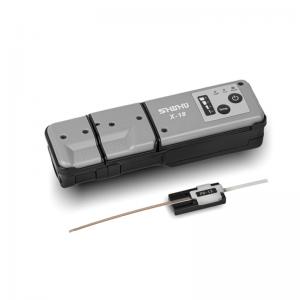
SHINHO X-18 قشارة ألياف حرارية للشريط Shinho X-18 Thermal Stripper عبارة عن متجرد حراري محمول باليد تم تطويره حديثًا ، مصمم خصيصًا للفصل الحراري غير المدمر لغطاء كابل الشريط حتى 12 ليفًا. أداة جيدة وموثوقة لأعمال الربط بالألياف الشريطية. أكثر من
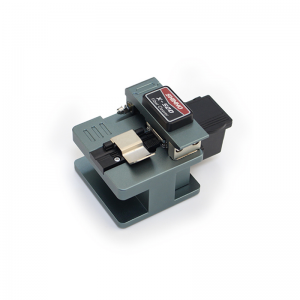
عالية الدقة الألياف البصرية كليفر X-50D حجم صغير وخفيف الوزن ، سهل التشغيل. دقة عالية وأداء مستقر. أكثر من 48000 عمر للشفرة ، f طول مشقوق iber 5 ~ 20mm. مواد ذات جودة عالية أكثر من
Types and Industrial Applications of Optical Fiber
In the digital era, data transmission is the backbone of all modern industries. From high-speed internet and telecommunication networks to industrial laser equipment, medical devices, and smart infrastructure, optical fiber serves as the invisible highway that powers global information exchange. Compared with traditional copper cables, optical fiber features faster speed, lower loss, stronger anti-interference ability, and longer service life, making it the core transmission medium of the modern world.
To help you better understand fiber optic technology and its commercial value, we will break down the main types of optical fibers and their wide-ranging industrial applications in this article.
Single-mode fiber is the most widely used fiber type in long-distance communication. It has an extremely narrow core diameter (usually 9μm), which allows only one mode of light to propagate through the fiber. This design effectively eliminates light signal dispersion and ensures ultra-stable data transmission.
Core Advantages:Low signal attenuation, long transmission distance, high bandwidth, stable performance
Main Applications
l Long-distance telecommunication trunk lines and cross-city network transmission
l 5G base station construction and broadband backbone networks
l Data center interconnection and long-distance monitoring systems
l Smart city and national communication infrastructure projects
With a larger core diameter (50μm/62.5μm), multi-mode fiber allows multiple light modes to transmit signals simultaneously. It is easier to connect and lower in cost, but it has obvious signal dispersion during long-distance transmission, limiting its effective transmission range.
Core Advantages:Low cost, easy splicing, high short-distance transmission efficiency
Main Applications
l Short-distance indoor wiring of data centers
l Office building, campus and factory local area network (LAN) construction
l Short-distance audio and video transmission and industrial internal wiring
Beyond conventional communication fibers, special optical fibers are designed for high-precision and high-power industrial scenarios, which are widely matched with laser equipment. This category includes double-clad fiber, polarization-maintaining fiber, and laser transmission fiber, which are core accessories for fiber laser machines.
Core Advantages:High power resistance, stable light transmission, high precision, anti-aging
Main Applications
l Fiber laser cutting, welding, and marking machines (Raycus, MAX, JPT, etc.)
l Medical precision equipment, laser beauty and surgical instruments
l Aerospace, military communication and high-precision sensing equipment
l Industrial high-temperature and anti-interference special transmission scenarios
Plastic optical fiber adopts plastic core and cladding materials, which is flexible, bendable, low-cost and easy to install. Although its transmission performance is weaker than glass fiber, it is irreplaceable in low-speed and flexible wiring scenarios.
Main Applications:Home intelligent wiring, vehicle internal signal transmission, consumer electronic equipment, and low-speed industrial signal connection
The performance of optical fiber directly determines the stability of the entire transmission and laser system. No matter what type of fiber is used, professional fiber splicing, cutting and maintenance are essential to avoid signal loss, fiber breakage, and equipment failure.
High-precision fiber fusion splicers and cleavers can ensure perfect fiber connection, reduce later failure rates, and greatly extend the service life of optical fiber and supporting laser equipment. Reliable fiber processing technology is the key to maximizing the value of optical fiber applications.
Different types of optical fibers have their own positioning: single-mode fiber dominates long-distance communication, multi-mode fiber serves short-distance network wiring, special laser fiber empowers industrial high-precision processing, and plastic fiber covers civilian flexible scenarios. With the continuous upgrading of 5G communication, industrial laser manufacturing and smart technology, optical fiber will always be an indispensable core component of the digital industry.

مرحباً بك في تسجيل النشرة الإخبارية إذا كان لديك أي اهتمام بمنتجاتنا ، سنبقيك على علم بأخبارنا ، معلومات المنتجات والعروض الترويجية في حال وجودها.
© حقوق النشر: SHINHO OPTICS LIMITED كل الحقوق محفوظة.


 العربية
 English
 français
 русский
 italiano
 español
 português
 ไทย
ไทย हिन्दी
 Indonesia
 中文
中文