الاقسام
منتجات جديدة
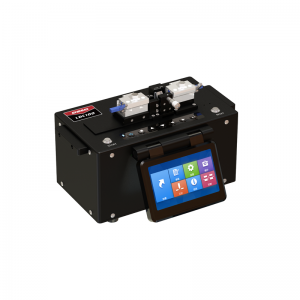
LDC-100 ساطور ألياف بصرية بقطر كبير * قابل للتطبيق على ألياف قطرها 80μm ~ 600μm *مضخة فراغية V-groove ملائمة لوضع الألياف *شفرة قابلة للتبديل ، عمرها أكثر من 20000 مرة *تخزين البيانات 4000 مجموعة * قائمة واجهة المستخدم الرسومية سهلة الاستخدام ، وسهلة التشغيل أكثر من
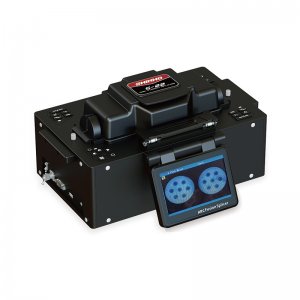
جهاز فصل الألياف متعدد النواة S-22 الجهاز الأول بالكامل من نوع M فائق النوى F iber F usion S في الصين أكثر من
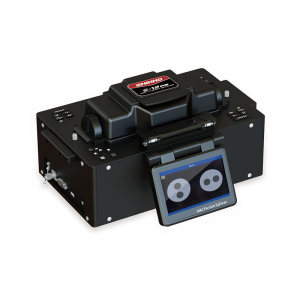
الاستقطاب الحفاظ على الألياف (بعد الظهر) فالانصهار S-12 * النواة الأساسية المحاذاة ، منخفضة الربط الخسارة * Endview الشخصي والمراقبة المحاذاة * قوس المعايرة التلقائية و الربط * مساء الألياف 45 و 90 درجة التوافق أكثر من
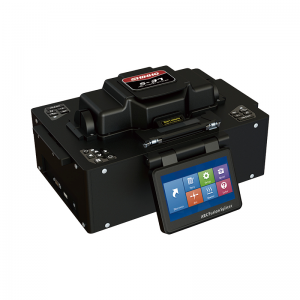
S-37 LDF Speialty Fiber Fusion Splicer SHINHO S-37 هو أحدث طراز قمنا بتطويره ، يمكنه لصق قطر الكسوة الليفية من 125 إلى 400 ميكرومتر مع فقدان لصق منخفض. جهزنا الماكينة بثلاثة حوامل ألياف مختلفة وزوجين من الأقطاب الكهربائية الاحتياطية. أكثر من
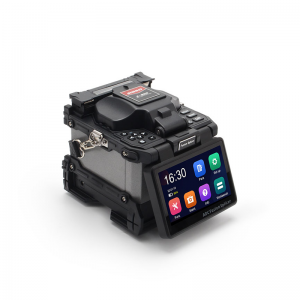
الأساسية إلى الأساسية محاذاة الألياف الانصهار جهاز الربط X900 ستة محاور الانصهار جهاز الربط ، الأساسية الحقيقية لتكنولوجيا المحاذاة الأساسية. 6S الربط ، 16S التدفئة ، وتحديد أنواع الألياف تلقائيا. تستخدم ل wan / رجل / مشاريع الاتصالات السلكية واللاسلكية. أكثر من
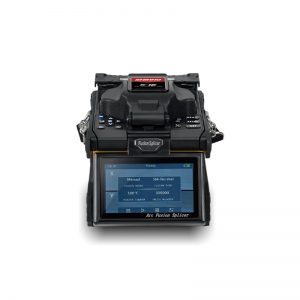
قوية متعددة الوظائف قوس الانصهار جهاز الربط s16 تصميم صناعي قوي ، ومكافحة صدمة ، مقاوم للأتربة ومقاوم للماء. حامل متعدد الوظائف للألياف العارية ، حبال التصحيح ، كابل إسقاط إلخ. الربط السريع والتسخين ، معايرة القوس التلقائية. أكثر من
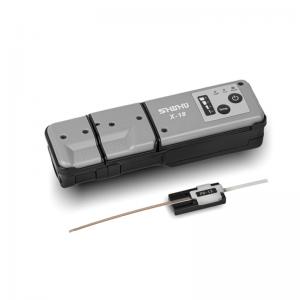
SHINHO X-18 قشارة ألياف حرارية للشريط Shinho X-18 Thermal Stripper عبارة عن متجرد حراري محمول باليد تم تطويره حديثًا ، مصمم خصيصًا للفصل الحراري غير المدمر لغطاء كابل الشريط حتى 12 ليفًا. أداة جيدة وموثوقة لأعمال الربط بالألياف الشريطية. أكثر من
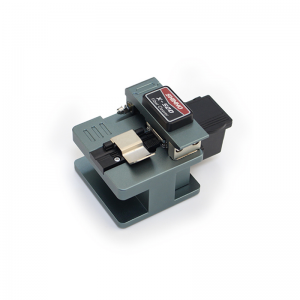
عالية الدقة الألياف البصرية كليفر X-50D حجم صغير وخفيف الوزن ، سهل التشغيل. دقة عالية وأداء مستقر. أكثر من 48000 عمر للشفرة ، f طول مشقوق iber 5 ~ 20mm. مواد ذات جودة عالية أكثر من
الألياف ذات النواة المجوفة في أنظمة الليزر: خيار جديد يتجاوز الألياف التقليدية
مع استمرار أنظمة الليزر في السعي نحو طاقة أعلى، وعرض خط طيفي أضيق، وفترات نبض أقصر، تقترب الألياف البصرية التقليدية ذات النواة الصلبة تدريجيًا من حدودها الفيزيائية. وتُقيّد التأثيرات غير الخطية، مثل تشتت بريلوين المحفز (SBS) وتشتت رامان المحفز (SRS) وتعديل الطور الذاتي، بشكل متزايد أي تحسينات إضافية في الأداء. في هذا السياق، الألياف ذات النواة المجوفة (HCF) وقد برزت كخيار واعد واستراتيجي لهياكل الليزر من الجيل التالي.
بخلاف الألياف التقليدية التي ينتشر فيها الضوء عبر السيليكا، فإن ألياف HCF توجه الضوء بشكل أساسي في الهواء. هذا الاختلاف الجوهري يؤدي إلى انخفاض كبير في اللاخطية البصرية وقدرة أعلى على التعامل مع ذروة الطاقة مما يجعل HCF جذابًا بشكل خاص لأشعة الليزر ذات النبضات القصيرة جدًا (ps/fs)، وأنظمة عرض الخط الضيق، ودمج الحزم المتماسكة، والتطبيقات العلمية أو الدفاعية المتقدمة.
لكن اعتماد تقنية الألياف المجوفة ليس مجرد استبدال ليف بآخر. فمن منظور التصنيع والتكامل، وصل الألياف تُصبح عملية التقطيع وجودة السطح النهائي عوامل حاسمة على مستوى النظام بدلاً من العمليات الروتينية.
في أنظمة الليزر ذات النبضات فائقة القصر، قد تتجاوز القدرة القصوى القدرة المتوسطة بعدة مراتب. وأي عيب - كشقوق دقيقة، أو تلوث، أو عدم تطابق في نمط النبض، أو انهيار هيكلي عند نقطة الوصل - قد يؤدي إلى عطل فوري. وبالمثل، قد تؤدي جودة القطع الرديئة أو العيوب دون الميكرونية على سطح نهاية الألياف إلى تعزيز موضعي للمجال، أو انهيار هوائي، أو تلف كارثي أثناء التشغيل.
هذا هو المكان معدات معالجة الألياف المتخصصة يلعب دوراً حاسماً.
تُعد أجهزة اللحام الانصهاري المتقدمة المصممة للألياف المتخصصة، إلى جانب أجهزة القطع عالية الدقة والمحسّنة للألياف ذات المجال الكبير والألياف ذات البنية الدقيقة، ضرورية لضمان ما يلي:
انتقال المجال المستقر للنمط
تشوه هيكلي طفيف
قابلية تكرار عالية وموثوقية طويلة الأمد
مع انتقال شركة HCF من مرحلة العروض التوضيحية المختبرية إلى منتجات الليزر الحقيقية، لم يعد العائق الوحيد هو تصميم الألياف، بل أيضاً مدى جودة معالجة الألياف ودمجها وصيانتها. .
وبالنظر إلى المستقبل، فمن غير المرجح أن تحل الألياف ذات النواة المجوفة محل الألياف التقليدية في أنظمة الليزر الصناعية ذات الموجة المستمرة السائدة على المدى القريب. بدلاً من ذلك، يكمن مستقبلها في تطبيقات الليزر المتطورة وعالية الأداء حيث يبرر تجاوز الحدود المادية زيادة التعقيد والتكلفة. في هذه الأنظمة، لا يُعدّ التوصيل والفصل الموثوقان خيارًا، بل هما أساس استقرار النظام.
بالنسبة لمصنعي الليزر ومقدمي الخدمات، فإن الاستثمار في حلول معالجة الألياف المناسبة اليوم يعني الاستعداد لتقنيات الليزر في المستقبل.

مرحباً بك في تسجيل النشرة الإخبارية إذا كان لديك أي اهتمام بمنتجاتنا ، سنبقيك على علم بأخبارنا ، معلومات المنتجات والعروض الترويجية في حال وجودها.
© حقوق النشر: SHINHO OPTICS LIMITED كل الحقوق محفوظة.


 العربية
 English
 français
 русский
 italiano
 español
 português
 ไทย
ไทย हिन्दी
 Indonesia
 中文
中文